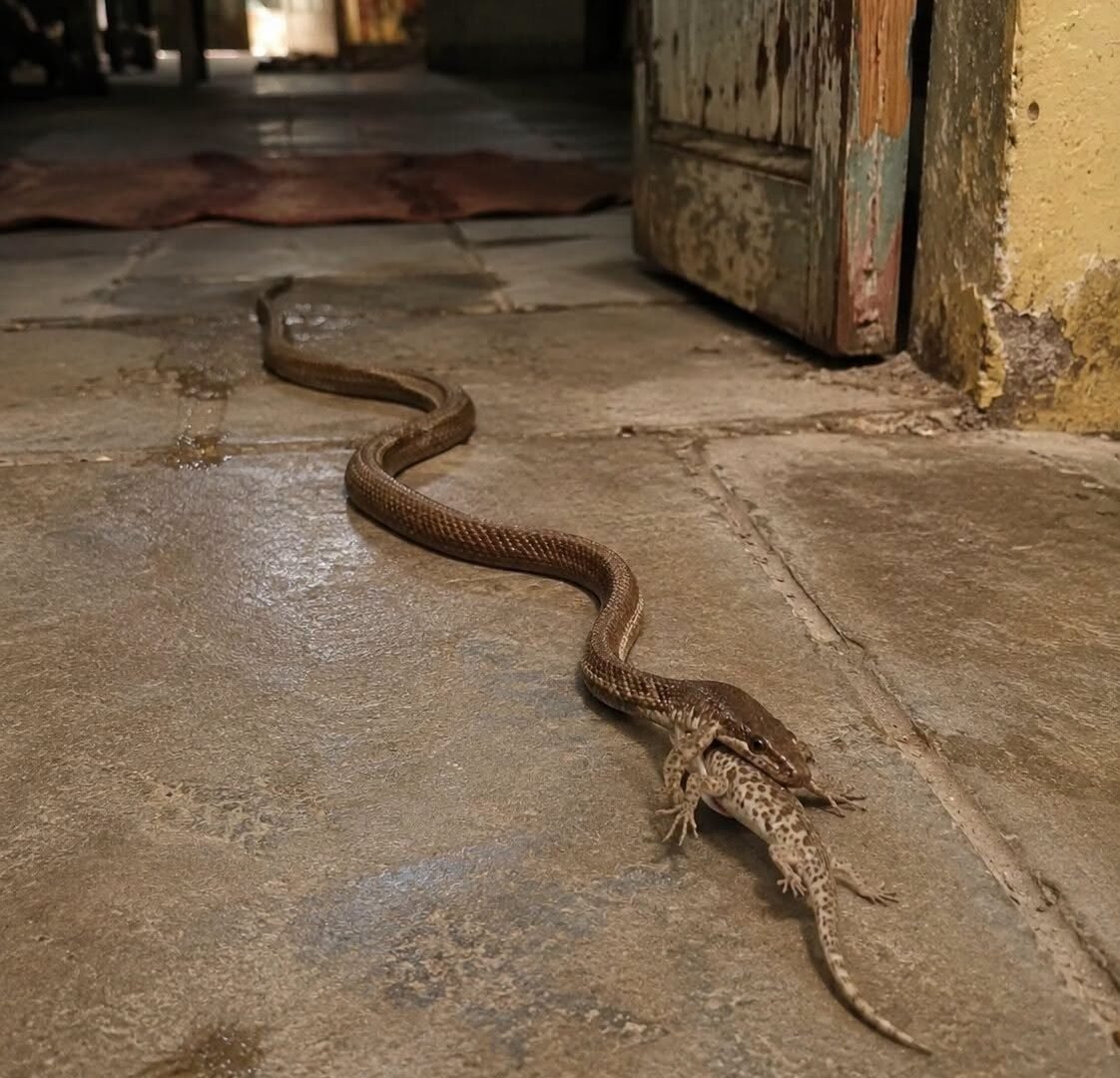
Found a Centipede in Your House? Here’s What It Really Means
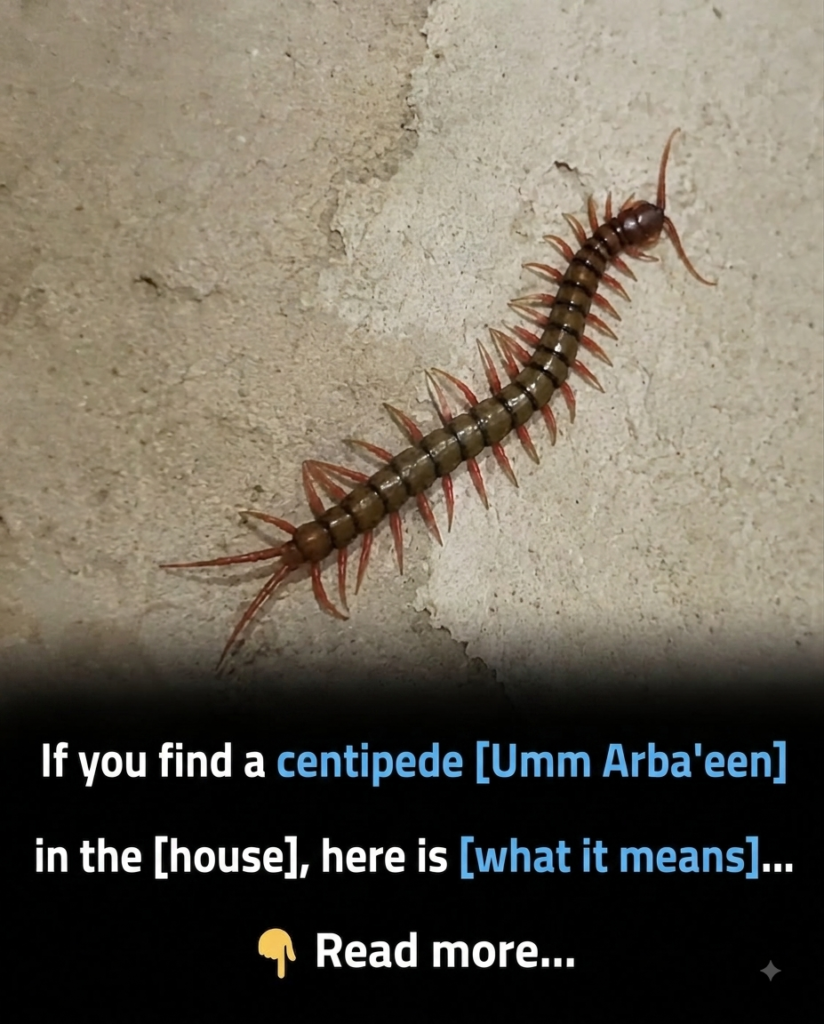
Finding a centipede crawling across your wall or floor can be an unpleasant surprise—especially when you suddenly notice all those legs moving at once. In many parts of the world, centipedes are known by traditional names such as “Umm Arba’een” or “forty-legs,” even though the actual number of legs varies by species.
But does finding a centipede inside your home mean something serious?
Not necessarily. In most cases, a centipede in the house is simply looking for food, moisture, or shelter.
Why Do Centipedes Enter Houses?
Centipedes generally prefer dark, damp and sheltered environments. They may accidentally enter homes through small cracks, gaps under doors, windows, drains, or other openings.
They can also be attracted to areas where their prey is present.
Centipedes are predators, and their diet commonly includes insects and other small arthropods such as:
Cockroaches
Spiders
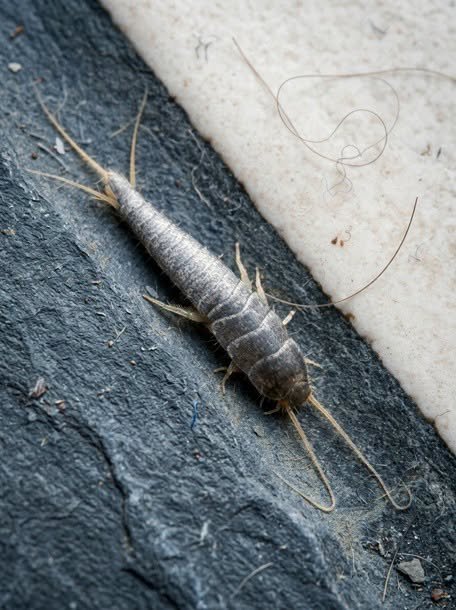
Silverfish
Ants
Crickets
Small insects and larvae
So if you suddenly start seeing centipedes indoors, it can sometimes indicate that other small insects are also present.
Does One Centipede Mean You Have an Infestation?
Usually, no.
Seeing a single centipede does not automatically mean your home is infested. It may have simply wandered inside while searching for food or a suitable hiding place.
However, if you regularly see several centipedes, especially in bathrooms, basements, storage areas, or other damp places, it may be worth checking for:
Excess moisture
Leaking pipes or faucets
Water accumulation
Cracks and openings around doors or windows
Insects that could serve as their food source
Cluttered or undisturbed areas where pests can hide
Reducing moisture and eliminating other insects can make your home much less attractive to centipedes.
Are Centipedes Dangerous?
Most centipedes are not aggressive toward humans and generally try to escape when disturbed.
However, some larger species can deliver a painful bite using specialized venomous appendages located near the head. A bite may cause pain, redness, swelling, burning or tenderness, with the severity depending on the species and the individual.
Children and people who are particularly sensitive to insect bites should be monitored carefully after a bite.
If someone develops severe swelling, difficulty breathing, dizziness, widespread symptoms, or another serious reaction after being bitten, seek urgent medical attention.
Should You Kill a Centipede?
You don’t necessarily have to.
Centipedes are predators and can actually help reduce populations of other household pests. If you find one and don’t want it inside your home, you can carefully remove it using a container and release it outdoors, while avoiding direct contact.
If you repeatedly find them indoors, the better approach is to identify and eliminate the conditions attracting them rather than simply dealing with individual centipedes.
How to Keep Centipedes Out of Your Home
A few simple measures can reduce the chances of finding them indoors:
1. Reduce Moisture
Fix leaking pipes, faucets and other sources of water. Keep bathrooms and other damp areas well ventilated.
2. Seal Cracks and Gaps
Check around doors, windows, pipes and walls for small openings. Sealing potential entry points can help keep many types of pests outside.
3. Remove Clutter
Boxes, piles of materials, wood and other undisturbed objects can provide excellent hiding places for centipedes and their prey.
4. Control Other Insects
Because centipedes hunt other small creatures, reducing household insects can also make your home less attractive to them.
5. Keep Outdoor Areas Clean
Remove piles of leaves, damp organic material and other debris close to the house where possible.
What About the Traditional Meaning of “Umm Arba’een”?
Centipedes have been surrounded by different beliefs and stories in many cultures. Some people associate seeing one with bad luck, danger, or a warning.
There is no scientific evidence that finding a centipede in your home predicts bad luck, illness, financial problems, or another future event.
From a biological perspective, its presence has a much simpler explanation: the animal found a place where it could find food, moisture or shelter.
The Interesting Part: Centipedes Can Be Helpful
Although most people don’t want to share their homes with them, centipedes are natural predators.
They can feed on other pests, meaning that their presence may sometimes reflect the availability of insects in an area rather than a problem caused by the centipede itself.
That doesn’t mean you should encourage them inside your home—but it does explain why they may occasionally appear.
Bottom Line
Finding a centipede in your house can certainly be alarming, but one centipede doesn’t automatically mean your home has a serious pest problem.
It is usually more useful to ask:
Why did it come inside?
Look for moisture, cracks, hiding places and other insects. By addressing those conditions, you can make your home less attractive to centipedes and many other unwanted pests.
And remember: if you encounter an unfamiliar or particularly large centipede, avoid handling it with your bare hands.
Have you ever found a centipede like this inside your home? What happened next? Share your experience in the comments.
SEO Title
Found a Centipede in Your House? Here’s What It Really Means
Meta Description
Found a centipede in your house? Learn why centipedes enter homes, whether they are dangerous, what “Umm Arba’een” means, and how to keep them away.
Suggested URL Slug
centipede-in-the-house-what-it-means
Suggested Featured Image Alt Text
Centipede crawling on an indoor wall
Suggested Tags
Centipede, Umm Arbaeen, Household Pests, Insects, Pest Control, Home Tips, Centipede Bite
To provide the best experiences, we use technologies like cookies to store and/or access device information. Consenting to these technologies will allow us to process data such as browsing behavior or unique IDs on this site. Not consenting or withdrawing consent, may adversely affect certain features and functions.
Functional
Always active
The technical storage or access is strictly necessary for the legitimate purpose of enabling the use of a specific service explicitly requested by the subscriber or user, or for the sole purpose of carrying out the transmission of a communication over an electronic communications network.
Preferences
The technical storage or access is necessary for the legitimate purpose of storing preferences that are not requested by the subscriber or user.
Statistics
The technical storage or access that is used exclusively for statistical purposes.The technical storage or access that is used exclusively for anonymous statistical purposes. Without a subpoena, voluntary compliance on the part of your Internet Service Provider, or additional records from a third party, information stored or retrieved for this purpose alone cannot usually be used to identify you.
Marketing
The technical storage or access is required to create user profiles to send advertising, or to track the user on a website or across several websites for similar marketing purposes.