What Are These Strange Crescent-Shaped Metal Pieces? You May Have Seen Them Before
Have you ever found a box, drawer, or old workshop filled with small metal pieces and had absolutely no idea what they were used for? 🤔
At first glance, these little crescent-shaped pieces may look like random bits of metal. But they actually have a very practical purpose—and their history is connected to an old-fashioned trade that helped people make their shoes and boots last much longer.
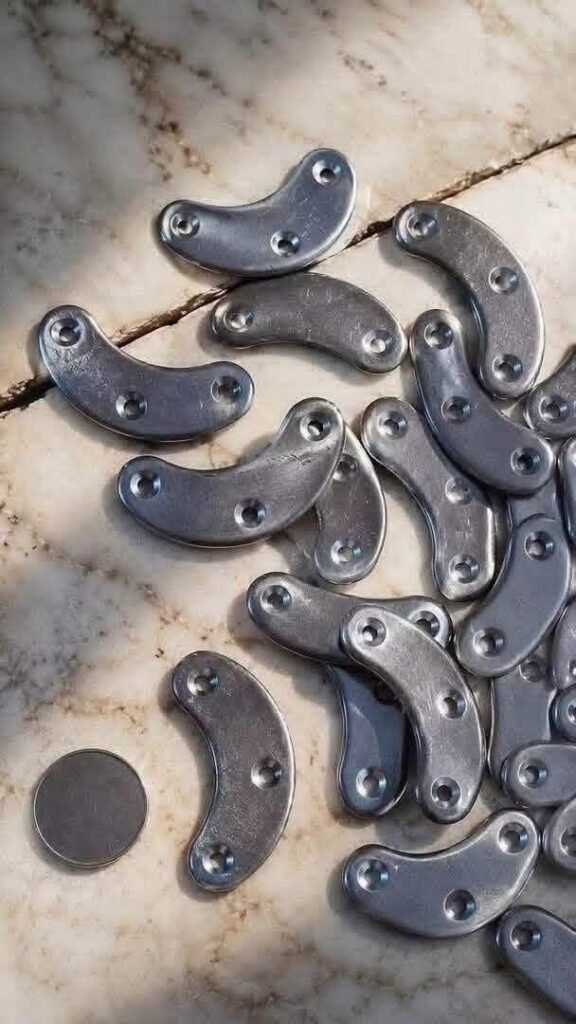
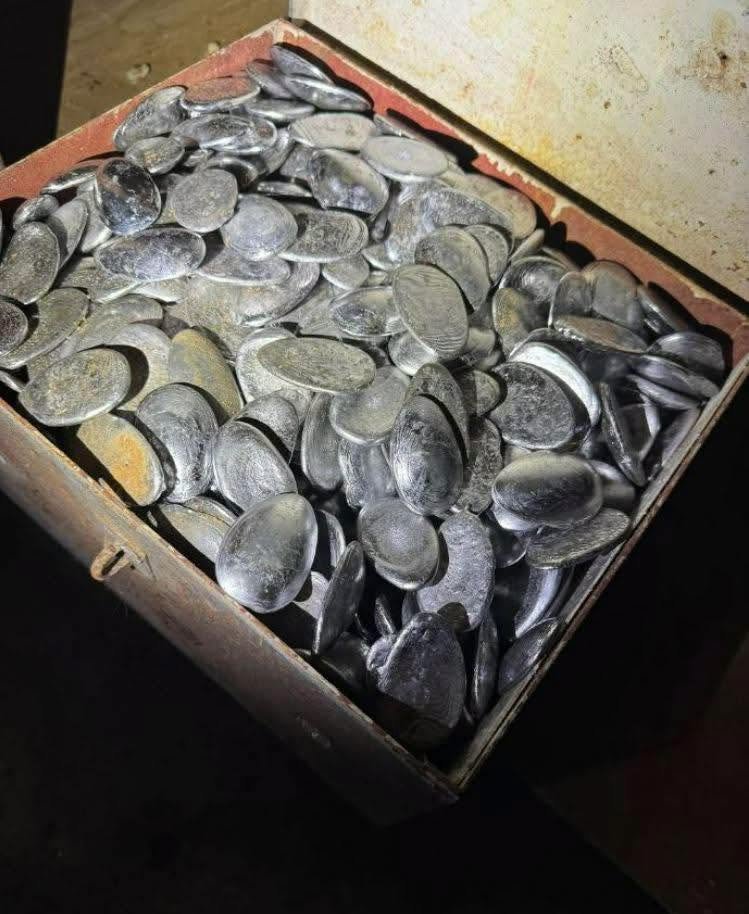
The pieces shown in the image are metal heel plates, also known as heel taps or shoe protectors.
Their curved shape is designed to fit against the heel area of a shoe or boot. They are attached with small nails or screws to protect the material underneath from excessive wear. Similar crescent-shaped metal plates are specifically sold and documented as shoe-repair components.
These weren’t decorative pieces. They were designed to take the abuse that would otherwise wear down the leather or rubber heel.
🔧 How Were They Used?
A shoe repairer would position the curved plate over the portion of the heel that receives the most contact with the ground.
The holes in the plate allowed it to be secured to the shoe using nails or screws. Once attached, the durable metal surface would take much of the friction and impact produced while walking.
Modern versions are still available in different sizes and shapes for repairing and protecting shoes and boots.
🥾 Why Were They Important?
Before inexpensive modern replacement soles became common, people often repaired their footwear rather than throwing it away.
A good pair of leather boots or shoes could be expensive, so protecting the heel was an easy way to extend the life of the footwear.
Metal shoe protectors were especially useful for people who walked frequently or worked in demanding conditions.
Historical records even mention a company called the Crescent Heel Plate Manufacturing Company, which produced heel plates and machinery for attaching them to footwear.
🕰️ An Example of Old-School Shoe Repair
These little pieces are a reminder of a time when repairing something was often considered better than replacing it.
A worn heel didn’t necessarily mean a new pair of shoes was needed. A skilled cobbler could replace worn components, add protective plates, repair the sole, and give the footwear a much longer life.
Today, these old metal pieces can also turn up in vintage collections, old workshops, antique shops, and buildings where shoe repair or manufacturing once took place.
🤔 Would You Have Recognized Them?
The unusual crescent shape makes these pieces surprisingly difficult to identify if you’ve never seen them used.
But once you know what they are, the design makes perfect sense:
Curved metal + mounting holes = protection for the heel of a shoe or boot.
So the next time you come across a pile of these strange little metal crescents, you’ll know they’re not just random pieces of scrap metal. 👞🔧
Did You Know What They Were?
Have you ever seen these before?
Were they used in your family, at an old shoe-repair shop, or somewhere in your hometown?
👇 Tell us what you thought they were in the comments!
Note: The exact style, size, and original use can vary among heel plates and shoe-repair hardware, but the pieces shown closely match crescent-shaped metal heel plates/t
To provide the best experiences, we use technologies like cookies to store and/or access device information. Consenting to these technologies will allow us to process data such as browsing behavior or unique IDs on this site. Not consenting or withdrawing consent, may adversely affect certain features and functions.
Functional
Always active
The technical storage or access is strictly necessary for the legitimate purpose of enabling the use of a specific service explicitly requested by the subscriber or user, or for the sole purpose of carrying out the transmission of a communication over an electronic communications network.
Preferences
The technical storage or access is necessary for the legitimate purpose of storing preferences that are not requested by the subscriber or user.
Statistics
The technical storage or access that is used exclusively for statistical purposes.The technical storage or access that is used exclusively for anonymous statistical purposes. Without a subpoena, voluntary compliance on the part of your Internet Service Provider, or additional records from a third party, information stored or retrieved for this purpose alone cannot usually be used to identify you.
Marketing
The technical storage or access is required to create user profiles to send advertising, or to track the user on a website or across several websites for similar marketing purposes.